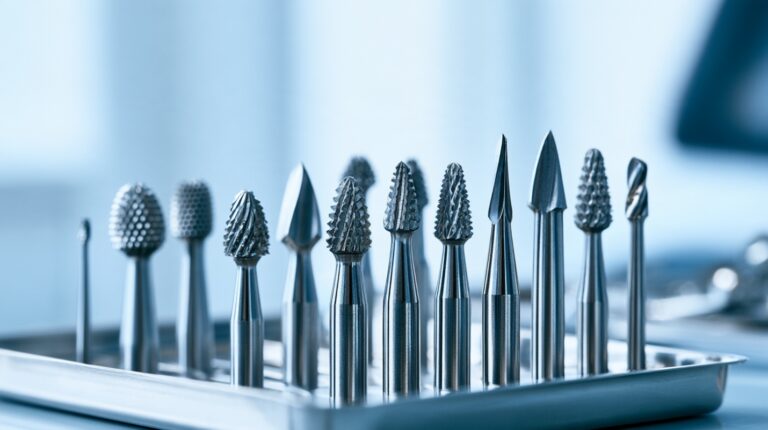
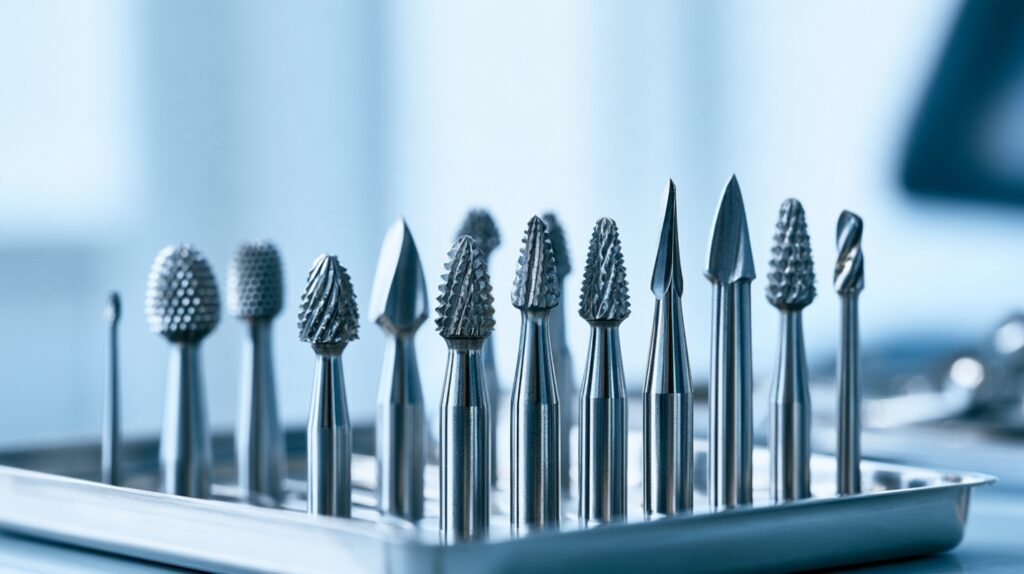
Choosing the right dental instrument can make a significant difference in the precision, efficiency, and overall quality of restorative and laboratory procedures. Among the many rotary instruments available, carbide burs are widely used because of their durability, cutting performance, and versatility across different dental applications.
What Are Carbide Burs?
Carbide burs are rotary cutting instruments commonly used by dentists and dental laboratory professionals to shape, adjust, remove, or finish various dental materials. They are typically made with a tungsten carbide cutting head attached to a shank designed to fit a compatible dental handpiece.
Compared with some traditional rotary instruments, carbide burs can provide efficient material removal while maintaining a sharp cutting edge. Their construction makes them suitable for working with materials such as enamel, dentin, composite resin, acrylic, and certain dental laboratory materials.
Common Uses of Carbide Burs
The versatility of carbide burs allows them to be used during several stages of dental treatment and laboratory work. Their specific application depends on the bur’s shape, cutting design, size, and number of blades.
Tooth Preparation and Material Removal
Certain carbide burs are designed for controlled cutting during tooth preparation. They can help dentists remove decay, shape tooth structures, and create appropriate preparation forms for restorative procedures.
Carbide burs may also be used for removing existing restorative materials. Their cutting efficiency can make the process more manageable when working with materials that need to be reduced or reshaped.
Composite and Restorative Adjustments
After placing a restoration, adjustments may be necessary to achieve the desired shape, contour, or occlusion. Appropriate carbide burs can be used to refine composite restorations and remove excess material.
Common applications include:
- Contouring composite restorations
- Removing excess restorative material
- Refining margins and surfaces
- Adjusting the shape of restorations
- Preparing surfaces for additional finishing and polishing
The correct bur should always be selected according to the material being adjusted and the level of control required.
Dental Laboratory Applications
Carbide burs are also useful outside the clinical setting. Dental technicians may use them when working with acrylics, denture materials, temporary restorations, and other laboratory products.
Their ability to remove material efficiently makes them useful for rough shaping as well as more controlled adjustments. Different shapes and cutting patterns allow technicians to select an instrument appropriate for the specific task.
Choosing the Right Carbide Bur
Not every carbide bur is designed for the same application. Selecting the appropriate instrument involves considering several factors.
Bur Shape and Design
The shape of the cutting head affects how the instrument interacts with the material. Common designs include round, pear, fissure, tapered, and flame-shaped burs. Each shape can provide different cutting and contouring capabilities.
Number of Blades
The number of blades can also influence cutting performance and surface finish. Fewer blades may be useful when efficient material removal is needed, while multi-bladed designs can provide greater control during finishing and smoothing procedures.
Handpiece Compatibility
It is also important to confirm that the bur is compatible with the dental handpiece being used. Shank type, bur dimensions, and recommended operating speed should all be considered before use.
Proper Use and Maintenance
Using rotary instruments correctly can help support consistent performance and safe dental procedures. Always follow the manufacturer’s recommendations for speed, pressure, sterilization, and handling.
Avoid applying excessive pressure, as this can affect cutting efficiency and may generate unnecessary heat. Inspect burs regularly for signs of wear, damage, or contamination, and replace instruments when they no longer provide the required performance.
Final Considerations
Carbide burs are versatile rotary instruments that can support a wide range of dental and laboratory procedures. From tooth preparation and restorative adjustments to acrylic shaping and laboratory work, choosing the correct bur can improve control and efficiency.
Understanding differences in bur shape, blade configuration, size, and compatibility makes it easier to select an appropriate instrument for each application. With proper selection, handling, and maintenance, carbide burs can remain a valuable part of a well-equipped dental practice or laboratory.