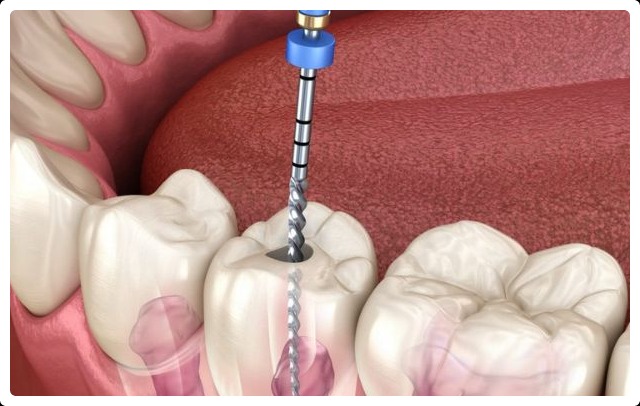

Treating decay or damage before it worsens is frequently necessary to keep teeth healthy. For many people, restoring a tooth after a cavity only requires a standard filling. But not every tooth can be successfully restored with a filling. A dental inlay can be the best option when the damage is too great for a filling but not bad enough to need a crown. You may retain more of your natural tooth by seeking treatment early if you are aware of the warning signals.
A Big Cavity That Is Too Big For A Filling
A cavity that is too big for a conventional filling is one of the most obvious indicators that an inlay could be advised. Fillings are effective for minor to moderate regions of decay, but they may not be strong enough to endure regular biting pressures as the damaged part becomes larger.
A stronger and more stable restoration is produced by custom-making an inlay to fit the prepared portion of the tooth. This exact fit lessens the chance of further fractures while strengthening the remaining tooth structure.
Small Fractures Or Cracks In The Tooth
Even if a tooth has minor fractures or noticeable cracks, it could still be healthy enough to not need a crown. An inlay can strengthen a tooth without removing extra healthy enamel if the damage is minimal and the cusps of the tooth are largely intact.
Inlays transmit chewing pressure more uniformly across the tooth since they are made of sturdy materials like porcelain or composite resin. With this additional support, existing cracks are kept from becoming worse over time.
Replacing A Worn Or Outdated Filling
The lifespan of dental fillings is limited. Fillings may deteriorate, crack, or separate from the surrounding tooth as a result of years of chewing, grinding, and temperature fluctuations.
Putting in a new filling may not be the best course of action when an existing one fails, and more of the tooth has to be restored. Dentists often advise inlays and onlays because they preserve as much of the native tooth structure as possible while offering increased strength, a more accurate fit, and enhanced lifespan.
Continuous Sensitivity During Eating
While persistent discomfort when consuming hot, cold, or sweet foods may indicate that an existing filling is no longer adequately sealing the tooth, tooth sensitivity is not always a sign of decay. Small openings can let moisture and bacteria in, causing irritation and raising the possibility of more harm.
A well-fitting inlay produces a tight seal that aids in shielding the tooth’s interior. Many patients report increased comfort during daily activities after the damaged tissue has been removed and the restoration is bonded into place.
Damage Restricted To The Tooth’s Centre
A crown is not necessary for every broken tooth. An inlay provides a conservative treatment option if the decay or fracture is mostly limited to the chewing surface and the exterior walls are still intact.
The tooth maintains a large portion of its original strength and look by retaining more natural enamel. Since preserving a healthy tooth structure promotes long-term oral health, conservative treatment is frequently chosen whenever feasible.
You Desire A Restoration That Looks Natural
Restorations that match in perfectly with their natural teeth are highly valued by many patients. Modern inlays are hard to tell apart from the rest of the smile because they are meticulously matched to the natural colour of the surrounding enamel.
With the right care, porcelain inlays may withstand stains and keep their lovely look for many years, in contrast to other conventional filler materials that could eventually discolour.
You’re Looking For A More Durable Solution
Fillings are still a great way to repair tiny cavities, but when used in bigger restorations, they may need to be replaced more regularly. Because of the extraordinary accuracy with which they are made, inlays are better able to endure normal chewing pressures.
For patients looking for a restoration that combines strength, function, and aesthetics without requiring a complete dental crown, their durability frequently makes them a worthwhile investment.
Conclusion
The amount of good tooth that is left, the location of the injury, and your long-term oral health objectives all play a role in selecting the best repair. It could be time to talk to your dentist about other options if you see cracks, persistent sensitivity, or a failing filling. An inlay can help you maintain the health and appearance of your smile by restoring strength, protecting natural tooth structure, and offering dependable protection for many years to come.